50 tools used in construction
May 16, 2023
HAMMER
Hammers commonly used in construction are as follows:
1. Hammer: Generally used for hitting nails, the head is usually round or flat, and the handle part is wood or rubber.
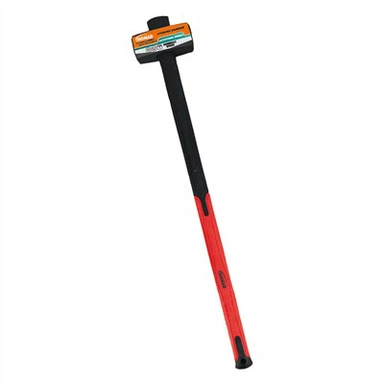
2. Pile hammer: Used for driving large nails or piles, the head is heavy, and the handle part is metal or wood.
3. Sand hammer: When used to make concrete stone, the head is a flat stone block, and the handle is a wooden pole or iron bar.
4. Brick hammer: When used for laying bricks and stones, the head is usually shaped like a hammer, and the handle is made of wood or rubber material.
5. Woodworking hammer: Mainly used for woodworking products, the head is flat or round, and the handle is made of wood or rubber.
Screwdrivers
Different screwdrivers are suitable for different types of screw heads and driving modes. Screwdrivers commonly used in construction include the following types:
1. Flat-mouth screwdriver: It is suitable for notched screw heads.
2. Phillips screwdriver: Suitable for cross screw heads.
3. Hexagonal screwdriver: Suitable for hexagonal screw head.
4. Hexagon screwdriver: Suitable for inner hexagonal screw head.
5. Socket wrench: Suitable for nuts and bolts.
6. Electric screwdriver: Driven by a motor, the electric screwdriver can quickly tighten or loosen screws.
7. Hand wrenches: Hand wrenches, also known as wrenches or wrench sets, are used to tighten or loosen nuts or bolts.
Electric drills
Electric drills commonly used in construction sites are mainly divided into the following types:
1. Hand-held electric drill: suitable for most drilling operations, small, lightweight, easy to carry.
2. Impact drill: can increase the impact force when drilling, especially suitable for drilling depth larger, harder materials, such as concrete, steel, etc.
3. Polishing machine: Used for grinding and polishing, usually for smaller surface grinding jobs.
4. Single hammer electric drill: It is usually used for light woodworking such as punching holes, saw blades and screws.
5. Dust collecting electric drill: In addition to the function of drilling holes, it is also equipped with dust and debris catching device to keep the work site clean.
6. Wall Grinder: Specialized in turning and grinding wall surfaces to obtain thin, smooth surfaces.
7. Covered wire drill: Suitable for drilling hard materials, such as concrete and steel, usually used in construction and machining work.
It is worth noting that the uses and models of electric drills are designed according to different construction tasks, and construction workers need to choose the appropriate tools according to the actual needs.
Circular saws
There are several types of Circular saws for architectural use:
1. Hand-held Circular saws: Suitable for cutting wood and other materials, generally adjustable cutting depth and Angle.
2. Versatile Circular saws: In addition to cutting wood and other materials, it can also be used to cut stone, ceramic, metal and other hard materials.
3. Table Circular saws: Attaching a circular saw to a table allows precise Angle and depth cutting.
4. Special purpose Circular saws: such as aluminum alloy circular saws, stone circular saws, etc., are used for cutting requirements of specific industries.
In general, different types of Circular saws are suitable for different materials and usage scenarios, and construction workers need to choose the right Circular saws according to specific requirements.
Chainsaws
Common chain saws used in construction include:
1. Handheld chain saw: An electric or gasoline-powered chain saw suitable for a variety of construction jobs, which can be used to cut wood, cut fire boards and other building materials.
2. High Branch chain saw: A chain saw designed to trim high branches, usually with telescopic rods, allowing the user to reach higher branches in the tree crown.
3. Brick cutter: A chain saw blade is mounted on an electric or pneumatic brick cutter for rapid cutting of brick, stone, concrete and other building materials.
4. Steel plate cutter: A machine that uses chain saw blades to cut metal plates and other building metal materials.
5. Soil chain saw: A chain saw is used to quickly cut through soil and soil samples.
These chainsaws are common tools used by construction workers in their daily work.
Jigsaws
Jigsaws for construction come in the following varieties:
1. Wood Jigsaws: Used for cutting wood, fine board, particle board, etc.
2. Metal Jigsaws: used for cutting metal materials, such as aluminum alloy, steel, etc.
3 tile Jigsaws: used for cutting tile, marble and other hard materials.
4. PVC Jigsaws: Used for cutting PVC pipes, drums and other plastic products.
5. Fiberboard Jigsaws: used for cutting fiberboard, MDF board, etc.
6. Drywall Jigsaws: Used for cutting drywall, insulation board, etc.
7. Thermal insulation cotton Jigsaws: used to cut thermal insulation cotton, thermal insulation cotton and other materials.
Miter saws
1. Sliding Compound Miter Saw: Consisting of a cantilever outline and a cutting head, this type of cutting saw is operated using a knob or handle and can rotate horizontally and vertically, and is commonly used to cut wood and woodwork.
2. Vertical Miter Saw: This cutting saw is fixed to a vertical bracket and is used to cut materials such as metal tubing and steel. It can be operated by a handle or foot switch.
3. Miter Saw with Brick Saw: This cutting saw can cut through complex geometric shapes, such as arches and arcs, as well as building materials such as tile and granite.
4. Polymer Miter Saw: This cutting saw is specially used for cutting polymer materials such as PVC and plastics. It rotates and moves, and can be adjusted as needed to get the best cutting Angle.
5. Table Saw Combo Miter Saw: This cutting saw is a versatile machine that can be used as both a table saw and a cutting saw to cut different types of materials, including wood, polymers and metals.
Table saws
1. Portable Tablesaws: This Tablesaws is suitable for temporary use on construction sites. They are very light and easy to move.
2. Portable Tablesaws: This Tablesaws is for carpentry studios or DIY enthusiasts. They're a bit bigger than portable Tablesaws, but they can still be moved easily.
3. Table Tablesaws: These Tablesaws are heavy and require a sturdy surface to support them. Their main advantages are accuracy and power.
4. Skateboard Tablesaws: This Tablesaws can be used to cut large pieces of wood using horizontal skateboards. They're very accurate and suitable for all kinds of jobs.
5. Ultra-high Precision Tablesaws: This Tablesaws is suitable for professional carpentry studios. They are very durable and precise, and can perform the most minute cutting tasks.
Band saws
Construction Bandsaws are commonly used to cut various building materials such as wood, steel and stone. It has the following characteristics:
1. Wood Bandsaws: mainly used for cutting wood and wood products, such as beams, piers, roof beams, doors and Windows, etc.
2. Steel Bandsaws: mainly used for cutting metal materials, such as pipes, profiles, steel plates, etc.
3. Stone Bandsaws: mainly used for cutting stone and composite materials, such as limestone, marble, granite, etc.
4. Hand-held Bandsaws: suitable for construction personnel to carry out simple brick cutting, wood cutting and so on.
5. Desktop Bandsaws: suitable for high-precision and large-size processing occasions, such as industrial manufacturing, architectural models, etc.
6. Hydraulic Bandsaws: Controlled by hydraulic system, it can achieve smooth cutting and high efficiency production.
Tile cutters
1. Manual Tile cutters: tile cutting is mainly achieved by hand pulling the cutting pieces, suitable for small construction or home DIY use;
2. Electric Tile cutters: mainly through the motor to drive the saw blade for tile cutting, suitable for the construction of small and medium-sized projects;
3. Vehicle-mounted Tile cutters: mainly suitable for large construction projects, it can complete the rapid cutting of large area tiles on the vehicle-mounted equipment;
4. Tilecutters for special tiles: For tiles of different materials or irregular shapes, there are special Tilecutters to complete the cutting, such as Tilecutters for glass tiles, etc.
Grinders
1. Hand-held mill: Mainly used for grinding and cutting concrete, stone, metal and other materials, can have different cutting and grinding gear, so as to facilitate the completion of various jobs.
2. Angular mill: Mainly used for cutting and grinding in narrow space, can rotate the Angle for easy use.
3. Sleeve mill: It is specially used for cutting and grinding pipes and fittings, which can be adapted to different pipes and fittings through different sleeves and fixtures.
4. Fixed mill: Suitable for projects requiring a large amount of cutting and grinding, can be fixed on the workbench to improve stability and efficiency.
5. Disk mill: often used for coating metal surface before treatment, or in the building construction process before drilling surface treatment.
Wrenches
In construction, common wrenches include:
1. Pump pliers: Used to remove and install water pipes and water pumps.
2. Plate handle: used to tighten and loosen bolts and nuts.
3. Socket wrench: Used to tighten and loosen bolts and nuts.
4. Hex wrench: Used to tighten and loosen hex bolts and nuts.
5. Wrench: Used to tighten and loosen bolts and nuts.
Pliers
Pliers commonly used in construction are:
1. Pliers: Pliers are used for clamping, pulling out, cutting, and squeezing.
2. Pump Pliers: Also known as conversion pliers, they are used to adjust or clamp objects of various sizes.
3. Locking Pliers: Also known as the locking pliers, the pliers can lock an object for more stable operation.
4. Needle-nose Pliers: They have slender mouths and are usually used to hold small objects or operate in narrow Spaces.
5. Side Cutter Pliers: They are mainly used to cut thin wire and iron wire.
6. Wire Stripper Pliers: used to peel the boot wire, wire, etc., to reveal the wire cores.
7. Riveting Pliers: Used for riveting two or more sheets of metal, often used to build and repair machines.
8. Pipe Wrenches: Used to clamp round or hexagonal pipes, usually for pipe connection or fastening operations.
9. Bottle Opener Pliers: Used for bottle caps, can also be used for other simple can opening, screwing and other operations.
Trowels
Trowels commonly used in buildings include:
1. Cement Trowel: Used for cementing surface treatment and smooth.
2. Flat Trowel: Used for smooth treatment of plaster plaster or finished surface.
3. Corner Trowel: For finishing and finishing corners and edges.
4. Round Trowel: Used for scraping and coating various types of building materials, such as cement paste, plaster, mortar and so on.
5. V Trowel: Used for corner treatment and filling of mortar.
6. Hooked Trowel: Used to stir and scrape building materials such as putty, paint, glue, etc.
Other tools used in construction
| Sanders | Planers | Jointers | Routers | Nail guns |
| Staple guns | Levels | Measuring tapes | Squares | Chisels |
| Pry bars | Clamps | Ladders | Hoses | Pumps |
| Tin snips | Sledgehammers | Pickaxes | Shovels | Rakes |
| Levels | Laser levels | Safety harnesses | Hard hats | Gloves |
| Safety glasses | Respirators | Earplugs | Dust masks | Wheelbarrows |
| Surveying equipment | Concrete mixers | Jackhammers | Scaffolding | Wire cutters |