

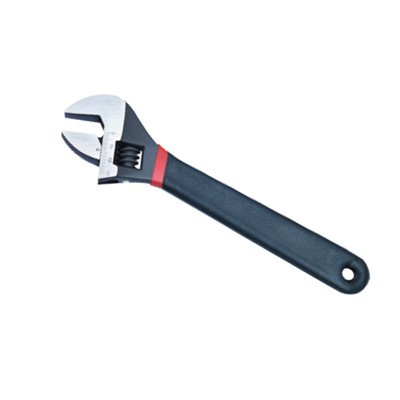
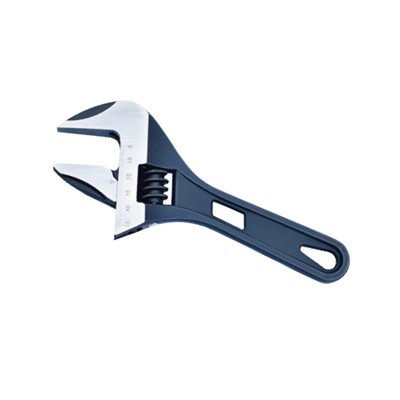
An adjustable wrench, also known as an adjustable spanner or a crescent wrench, is a versatile hand tool commonly used in plumbing, automotive repair, and general construction. It features a movable jaw that can be adjusted to fit a range of nut and bolt sizes, providing a tight grip and consistent torque. The adjustment mechanism typically involves a screw or lever that moves the sliding jaw along the fixed jaw, allowing the user to set the desired width. The wrench's design enables quick changes between different sizes, making it an essential tool in any mechanic's or handyperson's kit.
Advantages of Adjustable Wrench
Versatility
The most significant benefit of an adjustable wrench is its versatility. Unlike fixed wrenches, which are designed for specific nut and bolt sizes, an adjustable wrench can be adjusted to fit a variety of different sizes. This means that you only need one wrench to tackle multiple jobs, saving both time and space in your toolbox.
Convenience
With an adjustable wrench, there is no need to carry a large assortment of fixed wrenches in different sizes. This makes it easier to transport and store your tools, especially if you are working in a confined space or on a mobile job site.
Time-saving
Because an adjustable wrench can be quickly adjusted to fit different nut and bolt sizes, it saves time when switching between tasks. There is no need to stop and find the correct size wrench, which can be especially useful when working under tight deadlines.
Precision
An adjustable wrench allows for precise control over the amount of torque applied to a nut or bolt. The jaws of the wrench can be tightened just enough to loosen or tighten the fastener without causing damage to the threads or the surrounding material.
Durability
Adjustable wrenches are typically made from high-quality materials such as forged steel or cast iron, which makes them durable and reliable. With proper care and maintenance, an adjustable wrench can last for many years, even with heavy use.
Easy to use
Adjustable wrenches are generally easy to use, even for those with limited experience in using hand tools. The adjustable mechanism allows users to quickly set the wrench to the desired size, and the comfortable handles make it easy to apply torque to the fastener.
-
![Adjustable Wrench with Dipped Handle]()
Adjustable Wrench with Dipped Handle
Add to Inquiry -
![Diamond 10 Inch Adjustable Wrench]()
Diamond 10 Inch Adjustable Wrench
Add to Inquiry -
![European Type Adjustable Wrench Heavy Duty]()
European Type Adjustable Wrench Heavy Duty
Add to Inquiry -
![Multifunction Adjustable Wrench]()
Multifunction Adjustable Wrench
Add to Inquiry -
![Extra Slim Jaw Adjustable Wrench]()
Extra Slim Jaw Adjustable Wrench
Add to Inquiry -
![Stubby Wide Jaw Adjustable Wrench]()
Stubby Wide Jaw Adjustable Wrench
Add to Inquiry -
![70mm Wide Jaw Adjustable Wrench]()
70mm Wide Jaw Adjustable Wrench
Add to Inquiry -
![heavy duty polished adjustable wrenches]()
heavy duty polished adjustable wrenches
Add to Inquiry -
![Chrome Plated Adjustable Wrenches]()
Chrome Plated Adjustable Wrenches
Add to Inquiry -
![F Type Adjustable Wrenches]() Add to Inquiry
Add to Inquiry -
![H Type Adjustable Wrenches]() Add to Inquiry
Add to Inquiry -
![8” Short Handle Adjustable Wrenches]()
8” Short Handle Adjustable Wrenches
Add to Inquiry




Why Choose Us
High quality
Our products are manufactured or executed to a very high standard, using the finest materials and manufacturing processes.
Long warranty
We are confident in the quality of our products and are willing to provide you with long-term technical service support.
Quality control
We have built a professional quality control team to accurately inspect every raw material and every production process.
Customized services
We understand that each customer has unique manufacturing needs. That’s why we offer customization options to cater to your specific requirements.
Competitive price
We offering a higher-quality product or service at an equivalent price. As a result we have a growing and loyal customer base.
24H online service
We try and respond to all concerns within 24 hours and our teams are always at your disposal in case of any emergencies.
Crescent wrench
This is the most common type of adjustable wrench, characterized by its smooth jaws and a knurled adjusting screw that allows for fine-tuning of the opening width. Crescent wrenches are versatile and can be used in a variety of settings, although they are less secure on hexagonal nuts due to their curved jaws.
Four-way wrench
Also known as a combination wrench, this type combines the functions of both open-ended and box-end wrenches. The adjustable end can be rotated to present either a flat face or a concave socket, providing options for gripping hexagonal nuts and bolts. The four-way wrench is particularly useful for working in confined spaces where access is limited.
Pipe wrench
Designed specifically for gripping cylindrical objects such as pipes, this wrench has serrated jaws that bite into the surface for a strong hold. Pipe wrenches are adjustable and have a long handle for increased leverage and torque. The jaws can be tightened or loosened using a thumbwheel or a knurled adjusting knob.
Hatchet wrench
Combining the features of a crescent wrench and a hatchet, this tool is particularly useful for cutting through rope or wire. The hatchet portion can also be used to chop away insulation or small obstructions. The adjustable jaw allows for a secure grip on various fasteners.
Offset adjustable wrench
This variant has a handle that is offset at an angle, which provides additional clearance and leverage when working in tight spaces. The offset design makes it possible to reach fasteners that would otherwise be inaccessible with a straight-handled wrench.
Compound leverage wrench
Compound leverage wrenches employ a unique design that multiplies the force applied by the user, reducing the effort required to loosen or tighten fasteners. This is achieved through a series of levers and pivots integrated into the wrench's mechanism.
Capstan or tubing wrench
This type of adjustable wrench has a rounded capstan head that can be rotated to adjust the size. It is designed to grip and turn tubes, pipes, or rods without damaging them. The capstan wrench is particularly useful in plumbing and hvac applications.
Adjustable spanner
Similar to a crescent wrench but usually with a shorter handle, an adjustable spanner is ideal for light-duty tasks where space is at a premium. It provides a good balance between compactness and functionality.
Ratcheting adjustable wrench
This modern twist on the classic adjustable wrench incorporates a ratcheting mechanism that allows for rapid tightening or loosening of fasteners without repositioning the wrench. It is particularly useful in situations where repetitive motion is required.
Telescoping adjustable wrench
With a telescoping design, this wrench allows for multiple length settings, providing the user with the ability to adjust the handle length for increased leverage. It is particularly useful in situations where additional reach is needed.
How to Store Adjustable Wrench
Clean the wrench
Before storing the adjustable wrench, clean it with a wire brush or cloth to remove any dirt, grease, or debris. This prevents corrosion and keeps the moving parts free from grime. For particularly stubborn grime, you may need to soak the wrench in a degreasing solution.
Dry the wrench
After cleaning, dry the wrench thoroughly with a clean cloth to prevent rust. Any moisture left on the tool could cause it to corrode, especially in humid conditions.
Lubricate moving parts
Apply a light coat of oil to the adjustment mechanism to keep it moving smoothly. This will also help protect against rust and wear. Be sure to use a lubricant that won't attract dust.
Check for damage
Inspect the wrench for any damage such as cracks, bends, or worn-out teeth. If there is significant damage, it should be repaired or replaced to avoid compromising its performance and safety.
Store in a dry place
Choose a storage location that is dry and free from moisture. Humidity can cause rust and deterioration, so avoid storing the wrench in basements, garages, or outdoor sheds unless they are well-ventilated and dry.
Use a toolbox or organizer
Keep the adjustable wrench in a toolbox or a designated spot in a tool organizer. This helps protect it from getting lost or accidentally damaged and makes it easy to find when needed.
Avoid high temperatures
Do not store the wrench near sources of extreme heat, such as radiators, heaters, or direct sunlight. High temperatures can weaken the metal and affect the integrity of the tool.
Hang up the wrench
If possible, hang the adjustable wrench vertically on a wall using a hook or pegboard. This keeps it off the floor, reducing the risk of damage and makes it easily accessible.

Application of Adjustable Wrench
In the automotive industry
Mechanics rely heavily on adjustable wrenches for various tasks, including engine assembly, brake system maintenance, and exhaust work. The wrench's adjustability allows mechanics to work on components with different bolt sizes without swapping tools frequently.
Construction sites
On construction sites, adjustable wrenches are used for plumbing installations, electrical work, and general carpentry. They are ideal for securing and removing fittings, pipes, and various building hardware where space might be limited, and access is challenging.
Home repair and diy projects
Homeowners and diy enthusiasts appreciate the convenience of an adjustable wrench for household repairs, furniture assembly, and maintenance tasks. Whether fixing a leaky faucet or assembling new shelves, the tool's adaptability makes it a go-to option for a wide array of jobs.
Hvac systems
Technicians working on heating, ventilation, and air conditioning systems use adjustable wrenches to connect and disconnect ductwork, service units, and install fixtures. The tool's ability to handle different component sizes efficiently is crucial in this precise work.
Electrical work
Electricians utilize adjustable wrenches for tasks involving electrical boxes, conduit fittings, and junction boxes. The non-conductive properties of some wrench materials, such as plastic-coated steel, ensure safety when working near live wires.
Plumbing
Plumbers use adjustable wrenches for gripping and turning pipes, fittings, and valves. The wrench's open-ended design allows for work in tight spaces where a fixed wrench might not fit.
Marine applications
In the marine environment, adjustable wrenches are essential for maintaining ship components, including engine parts, deck fittings, and railings. The wrench's resistance to corrosion is particularly important in salty and moist conditions.
Agriculture
Farm machinery and equipment often have unique bolt sizes that require an adjustable wrench for repairs and maintenance. From tractor parts to livestock handling equipment, this tool is indispensable on the farm.
Industrial maintenance
In industrial settings, adjustable wrenches are used for routine maintenance and emergency repairs of machinery and equipment. The ability to quickly change the wrench's size to match various nuts and bolts is critical in fast-paced production environments.

Choose the right size
Select an adjustable wrench that matches the size of the nut or bolt you are working on. Using a wrench that is too small can slip, while one that is too large can round off the corners of the nut or bolt.
Set the correct jaw width
Before using the wrench, adjust the jaws to fit snugly around the nut or bolt head. Over-tightening the jaws can cause damage to the workpiece or the wrench itself.
Maintain proper grip
Hold the wrench firmly with both hands, placing your thumbs on the handle for better control. A loose grip can lead to slipping and potential injury.
Use appropriate force
Apply even, steady force when turning the wrench. Jerky or excessive force can cause the wrench to slip or the fastener to break. If resistance is encountered, stop and reposition the wrench before continuing.
Avoid over-tightening
Once the nut or bolt is secure, do not continue to tighten it excessively. Over-tightening can strip the threads or damage the fastener.
Protect surfaces
Use a protective layer, such as tape or a rubber band, between the jaws and the workpiece to prevent scratching or marring the surface.
Be aware of slippage
Always be prepared for the possibility of the wrench slipping. Point the open end of the wrench away from your body and other people to minimize the risk of injury.
Use safety gear
Wear appropriate safety gear, such as gloves, goggles, and closed-toe shoes, to protect yourself from flying debris and sharp edges.
Inspect the wrench before use
Check the wrench for any visible damage, such as cracks, bends, or worn-out jaws, before using it. Using a damaged wrench can compromise your safety and the quality of your work.
How Do I Choose the Right Adjustable Wrench
Size and range
He first consideration is the size and range of the wrench. Adjustable wrenches typically come in sizes ranging from 6 inches to 12 inches, with each size offering a different maximum and minimum jaw opening. Select a wrench whose range covers the size of bolts and nuts you commonly work with. A larger wrench provides more leverage but is less maneuverable in tight spaces, while a smaller wrench is more compact but offers less leverage.
Material quality
The material of the wrench affects its strength, durability, and weight. High-quality carbon steel is strong and durable but can rust if not properly maintained. Stainless steel wrenches are resistant to corrosion but tend to be heavier and more expensive. Aluminum alloy wrenches are lightweight but not as strong as steel wrenches, making them suitable for lighter tasks.
Jaw design
The jaw design influences the wrench's grip and the ability to apply even torque. Look for wrenches with smooth, precision-machined jaws that minimize slippage and rounding of fasteners. Some wrenches feature serrated jaws for better grip on rounded or stripped fasteners.
Finish
The finish of the wrench affects its appearance and corrosion resistance. Chrome plating provides a shiny finish that resists rust but can be slippery when wet. Powder-coated finishes offer good corrosion resistance and a non-slip surface.
Comfort and ergonomics
Consider the handle design and material, as they affect comfort and grip during use. D-shaped handles provide a secure grip and are comfortable to hold, while straight handles offer more control in tight spaces. Some wrenches feature rubber or plastic handles for increased comfort and better grip.
Additional features
Some adjustable wrenches come with additional features that enhance their functionality. For example, wrenches with a reversible jaw can be adjusted in both clockwise and counterclockwise directions, making them more versatile. Other wrenches have built-in measurement scales or laser-etched markings for precise adjustments.
Production Methods of Adjustable Wrench
Material selection
The first step in producing an adjustable wrench is selecting the appropriate material. Typically, carbon steel or alloy steel is chosen for its strength and durability. The material must also be able to withstand repeated stress and maintain its shape under load.
Design and modeling
Once the material is selected, the design phase begins. Engineers create detailed models of the wrench using computer-aided design (cad) software. These models include every dimension and specification necessary for the production process.
Cutting and forming
After the design is finalized, the raw material is cut into the desired shape and size using a variety of methods, such as laser cutting or plasma cutting. The pieces are then formed into the basic shape of the wrench using presses or hammers.
Machining
Next, the formed pieces undergo a series of machining operations to create precise holes, threads, and other features. This is typically done on cnc (computer numerical controlled) machines, which provide high levels of accuracy and repeatability.
Heat treatment
To improve the wrench's strength and durability, it undergoes heat treatment. This process involves heating the metal to a specific temperature and then cooling it rapidly, altering its internal structure and making it harder and more resistant to wear.
Finishing
The final step in the production process is to finish the wrench. This includes polishing the surfaces to remove any imperfections and applying a protective coating to prevent rust and corrosion. The wrench is then labeled with the necessary information, such as the size and manufacturer's name.
Testing
After the wrench is finished, it undergoes a final round of testing to ensure it meets all the necessary performance criteria. This includes tests to measure its strength, durability, and accuracy. Any wrenches that fail these tests are rejected and recycled.
What Are the Components of Adjustable Wrench
Jaws
The jaws are the movable parts of the wrench that grip the bolt or nut. They consist of two metal pieces that slide against each other to adjust the wrench's opening width. The inner surfaces of the jaws are typically smooth and precision-machined to provide a secure grip on fasteners without causing damage. Some wrenches feature serrated jaws for extra bite on rounded or stripped fasteners.


Thumb wheel/adjustment screw
Located at the end of the wrench, the thumb wheel or adjustment screw is used to adjust the width of the jaws. Turning the thumb wheel moves the adjustment screw, which in turn slides the jaws along the guide rails. This allows the user to set the wrench to the desired size before engaging the fastener.
Guide rails
These are the parallel metal bars that run along the length of the wrench, providing a track for the jaws to slide on. Guide rails ensure that the jaws move smoothly and evenly, maintaining consistent contact with the fastener and preventing binding or twisting.


Handle
The handle is the part of the wrench that the user holds onto while applying force. It typically consists of a long, straight or d-shaped bar made of metal or plastic with a comfortable grip. The handle provides leverage, allowing the user to generate torque and apply force to the fastener.
Pivot point
This is the point where the two halves of the wrench meet and allow the jaws to open and close. The pivot point is usually located at the end of the handle opposite the thumb wheel. The design and quality of the pivot point are crucial for the wrench's overall strength and durability.


Spring
Some adjustable wrenches feature a spring mechanism between the jaws that automatically applies pressure to keep the jaws closed when not in use. This helps to prevent accidental slipping and ensures that the wrench is ready to use at a moment's notice.
Can I Use an Adjustable Wrench on Hexagonal Nuts and Bolts?
Yes, you can use an adjustable wrench on hexagonal nuts and bolts. An adjustable wrench, also known as a crescent or spanner wrench, is a versatile tool that can be set to various sizes, making it suitable for gripping and turning different types of fasteners, including hexagonal nuts and bolts. The adjustable wrench consists of two levers with a pivot in the middle. One lever has a movable jaw, which can be adjusted to fit the size of the nut or bolt head by turning a screw or knob. The other lever remains stationary. When you apply pressure to the handle, the jaws open or close around the nut or bolt, providing a firm grip. Before using the adjustable wrench, make sure that the movable jaw is set to the appropriate size for the nut or bolt head. The jaws should fit snugly around the hexagonal shape without slipping or applying too much force. When gripping the nut or bolt with the adjustable wrench, apply even pressure to both sides of the handle. This will ensure that the wrench does not slip or damage the fastener. When turning the nut or bolt with the adjustable wrench, turn it smoothly in either direction. Avoid twisting or jerking the wrench, as this can cause it to slip or break. If the nut or bolt is tight or rusted, you may need to use a lubricant such as WD-40 to loosen it before attempting to turn it with the adjustable wrench.
Can I Use an Adjustable Wrench on Rounded or Damaged Fasteners?
Yes, you can use an adjustable wrench on rounded or damaged fasteners, but it may require some patience and skill. The first step is to choose an adjustable wrench that fits the nut or bolt you are trying to remove. You want the jaws of the wrench to be slightly larger than the nut or bolt so that they can grip it firmly but not so tight that they damage the metal. Before you start working, make sure the nut or bolt is clean and free of debris. This will help ensure a better grip and reduce the risk of slipping. Open the jaws of the adjustable wrench by turning the adjustment knob until they are slightly larger than the nut or bolt. Then, place the jaws around the fastener and tighten the adjustment knob until the wrench grips the fastener snugly. Once you have the wrench in place, apply even pressure with your hand to loosen the fastener. If the nut or bolt is rounded or damaged, you may need to use a hammer to gently tap the wrench to break up any rust or corrosion that is causing it to stick. Once you have applied pressure, turn the adjustable wrench in a counterclockwise direction to loosen the nut or bolt. If the fastener is stuck, you may need to apply more pressure or use a longer wrench to increase leverage. Once the nut or bolt is loose, you can remove it from the workpiece. Be careful not to drop it or let it fall onto something hard, as this could cause further damage. After removing the fastener, clean up any debris or rust that was on the workpiece. You may also want to apply some lubricant to prevent future rusting or corrosion.
Our Factory
Chongqing Homar Technology Co., Ltd. is a professional manufacturer specializing in design, manufacturing and distribution of Hand tools& Hardware, including pliers, hammers, wrenches, screwdrivers, drills, measuring tools, garden tools, construction tools, safety tools, as well as all kind of tool kits and other related hardware products.


Our Certificates

FAQ
Q: What is an adjustable wrench, and what is it used for?
Q: How does an adjustable wrench work?
Q: What are the advantages of using an adjustable wrench?
Q: How do I choose the right size adjustable wrench for my needs?
Q: Can I use an adjustable wrench on hexagonal nuts and bolts?
Q: How do I adjust the jaws of an adjustable wrench?
Q: How do I maintain an adjustable wrench?
Q: Can I use an adjustable wrench on soft materials like aluminum or plastic?
Q: How do I remove a stuck nut or bolt with an adjustable wrench?
Q: Can I use an adjustable wrench on rounded or damaged fasteners?
Q: How do I prevent damage to the jaws of an adjustable wrench?
Q: Can I use an adjustable wrench on pipes or tubing?
Q: How do I use an adjustable wrench safely?
Q: What should I do if my adjustable wrench becomes stuck or difficult to adjust?
Q: How do I clean an adjustable wrench?
Q: Can I sharpen the jaws of an adjustable wrench?
Q: How do I store an adjustable wrench?
Q: Can I use an adjustable wrench on metric fasteners?
Q: How do I choose between an adjustable wrench and a fixed wrench?
Q: Are adjustable wrenches worth it?
We're professional adjustable wrench manufacturers and suppliers in China, specialized in providing hand tools and hardware. We warmly welcome you to buy high quality adjustable wrench in stock here from our factory. Contact us for more details.
Carbon Steel Adjustable Wrench With Chromium Plating,